Most businesses rely on outside vendors to operate. Software providers, cloud platforms, payroll systems, accounting tools, IT services, payment processors, marketing platforms and industry-specific applications all help keep work moving.
But every vendor relationship can also create risk.
If a vendor stores your data, connects to your systems, supports a critical process or manages sensitive information, that vendor becomes part of your broader cybersecurity environment.
For SMBs, this can be easy to overlook. Vendor tools are often added gradually. One department signs up for a platform. Another team adds a subscription. A previous vendor still has access. A cloud tool stores files. A software provider supports a workflow no one has reviewed in years.
Over time, the organization may lose visibility into who has access to what.
Vendor risk management is the process of regaining that visibility.
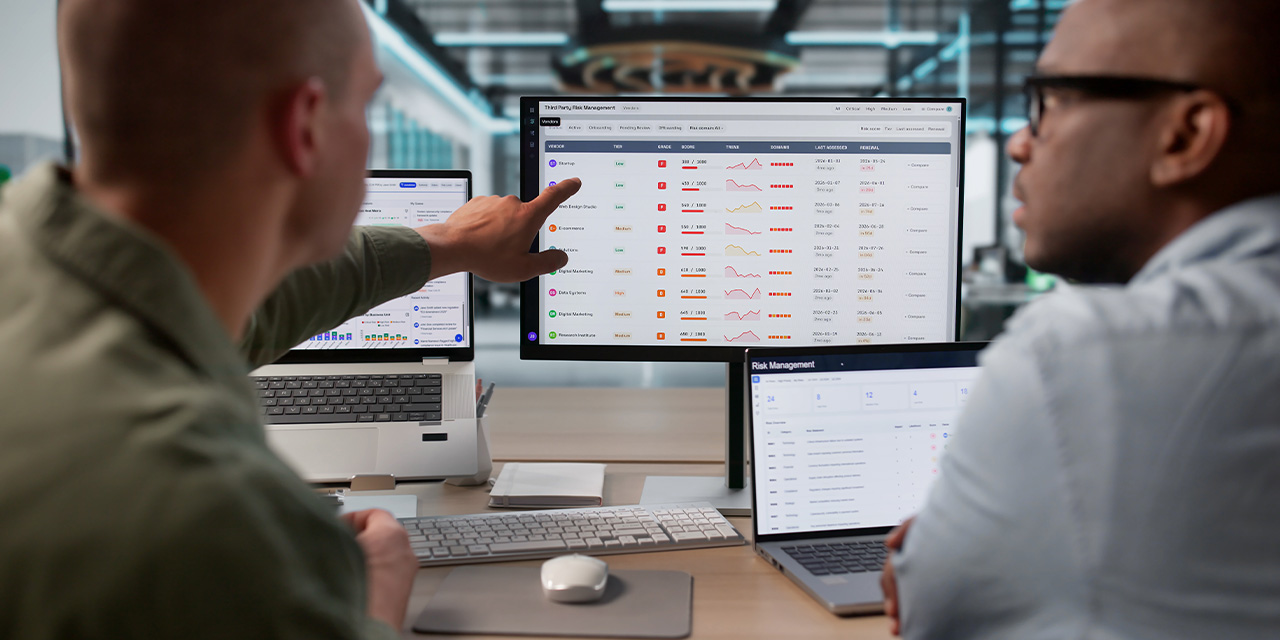
It begins with a basic inventory. Which vendors does the business use? What systems do they support? What data do they access? Who owns the relationship internally? What happens if that vendor experiences an outage, breach or service disruption?
These questions are not only technical. They are operational.
A vendor issue can affect payroll, billing, customer service, production, compliance, reporting or communication. In some cases, the business may not realize how dependent it is on a vendor until that service becomes unavailable.
That is why vendor risk should be part of cybersecurity planning and business continuity planning.
A practical vendor review should include several areas:
-
Access: Does the vendor have access to systems or data?
-
Data: What type of information is stored or processed?
-
Security: Does the vendor support MFA, encryption, logging and role-based access?
-
Contracts: Are security and notification terms clearly documented?
-
Continuity: What happens if the service goes down?
-
Ownership: Who manages the vendor relationship internally?
-
Exit planning: How is data retrieved or deleted if the relationship ends?
This does not mean every vendor requires the same level of review. A vendor with access to sensitive data or critical systems deserves more scrutiny than a low-risk service. The goal is to prioritize based on business impact.
Vendor risk is also connected to SaaS sprawl. When departments add tools independently, the business may end up with duplicate platforms, unused licenses and unmanaged access. That creates budget issues and security issues at the same time.
Through V2’s MyCIO® approach, organizations can create a practical vendor review process that supports security, cost control and operational resilience. V2 can help leadership teams identify vendor dependencies, review access and align technology decisions with business goals.
Cybersecurity does not stop at your firewall.
It extends to the vendors, platforms and partners your business depends on every day.
V2 can help your organization review vendor risk and build a more complete picture of your cybersecurity environment.